Beijing
- Forbidden City
- Great Wall
- Temple of Heaven
- Peking Duck
Beijing
As the ancient capital of the Yuan, Ming and Qing dynasties, every hutong and palace in Beijing holds the keys to history.
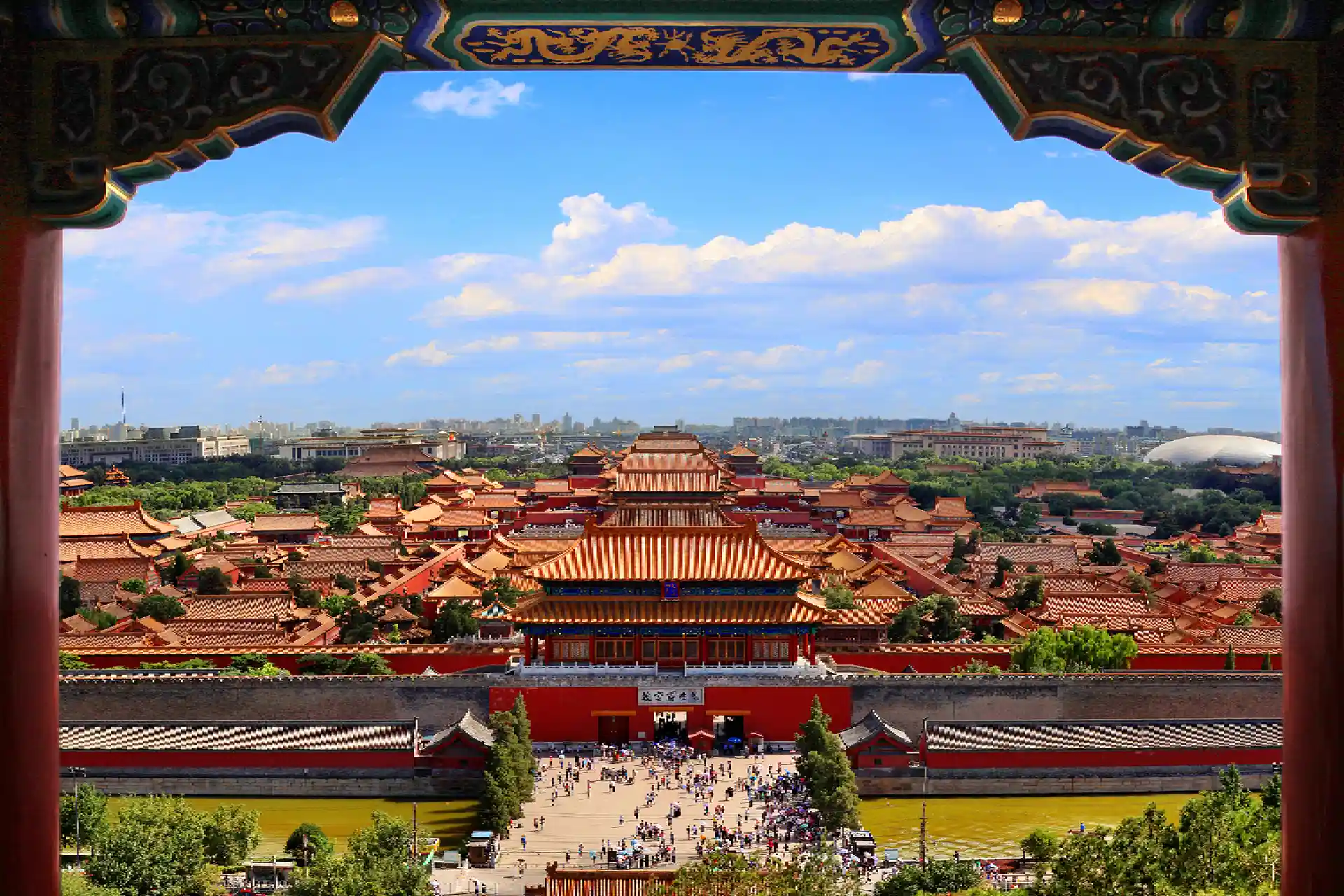
Stand in Tiananmen Square and feel the solemnity of "all nations paying tribute"; step into the Forbidden City, where red walls and golden tiles meet imperial grandeur, and explore the Treasure Gallery for rare collections; climb the Great Wall at Badaling or Mutianyu to touch the majesty of the "ten-thousand-mile dragon" and hear the stories of ancient garrison troops.
Beyond its weighty history, Beijing pulses with diverse vitality. Stroll through Nanluoguxiang and Wudaoying Hutong for creative shops and a cup of hutong coffee; feast at Gui Street and Niujie on Peking duck, hot pot, and jiaoliu meatballs; at night, capture the modern glow of the Bird's Nest and Water Cube, or experience the collision of art and industry at 798 Art District.
No-shopping pure sightseeing tours with private car and guide let you escape the crowds and savor the tranquility of Kunming Lake at the Summer Palace and the ancient cypresses at the Temple of Heaven.
Temple of Heaven Park
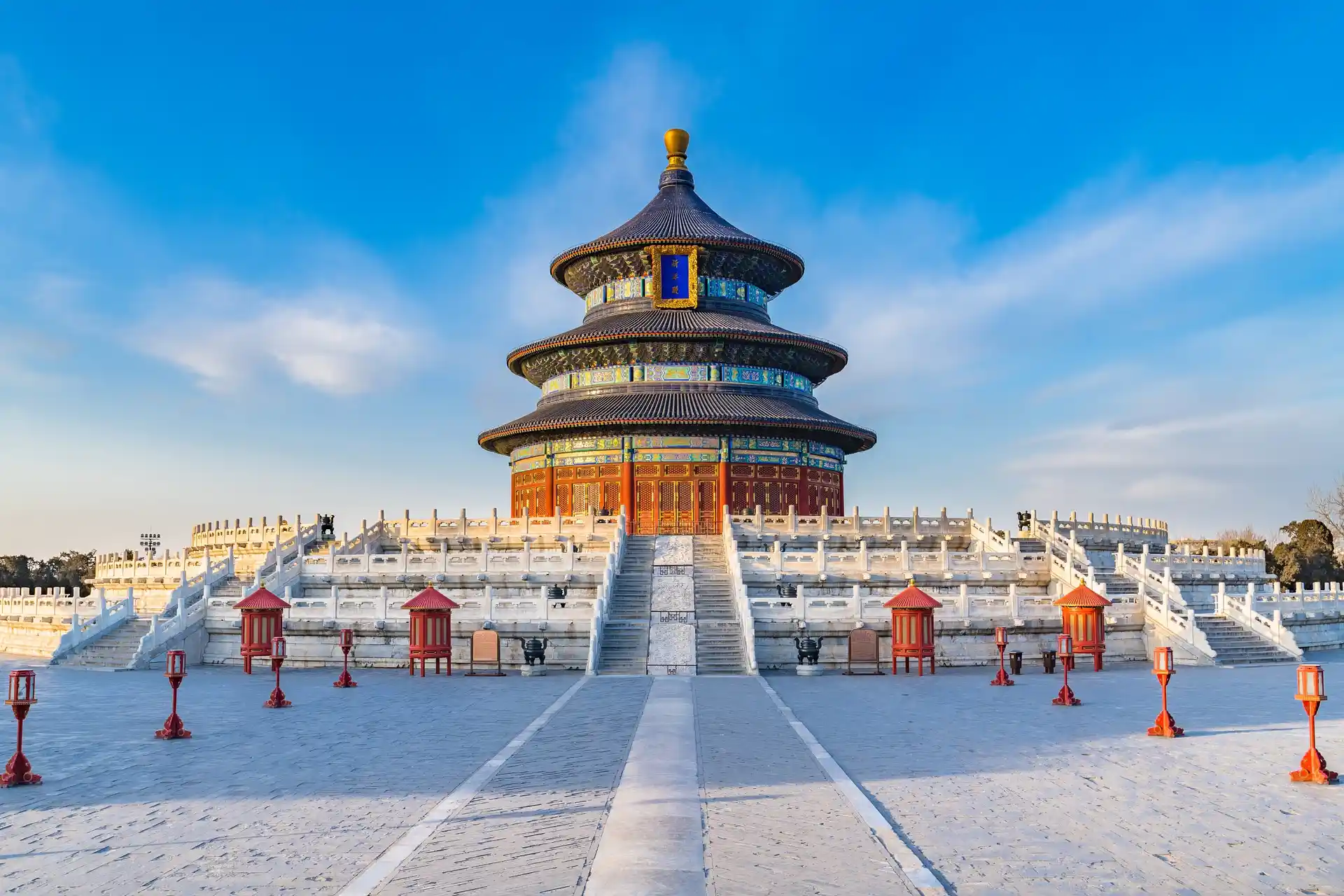
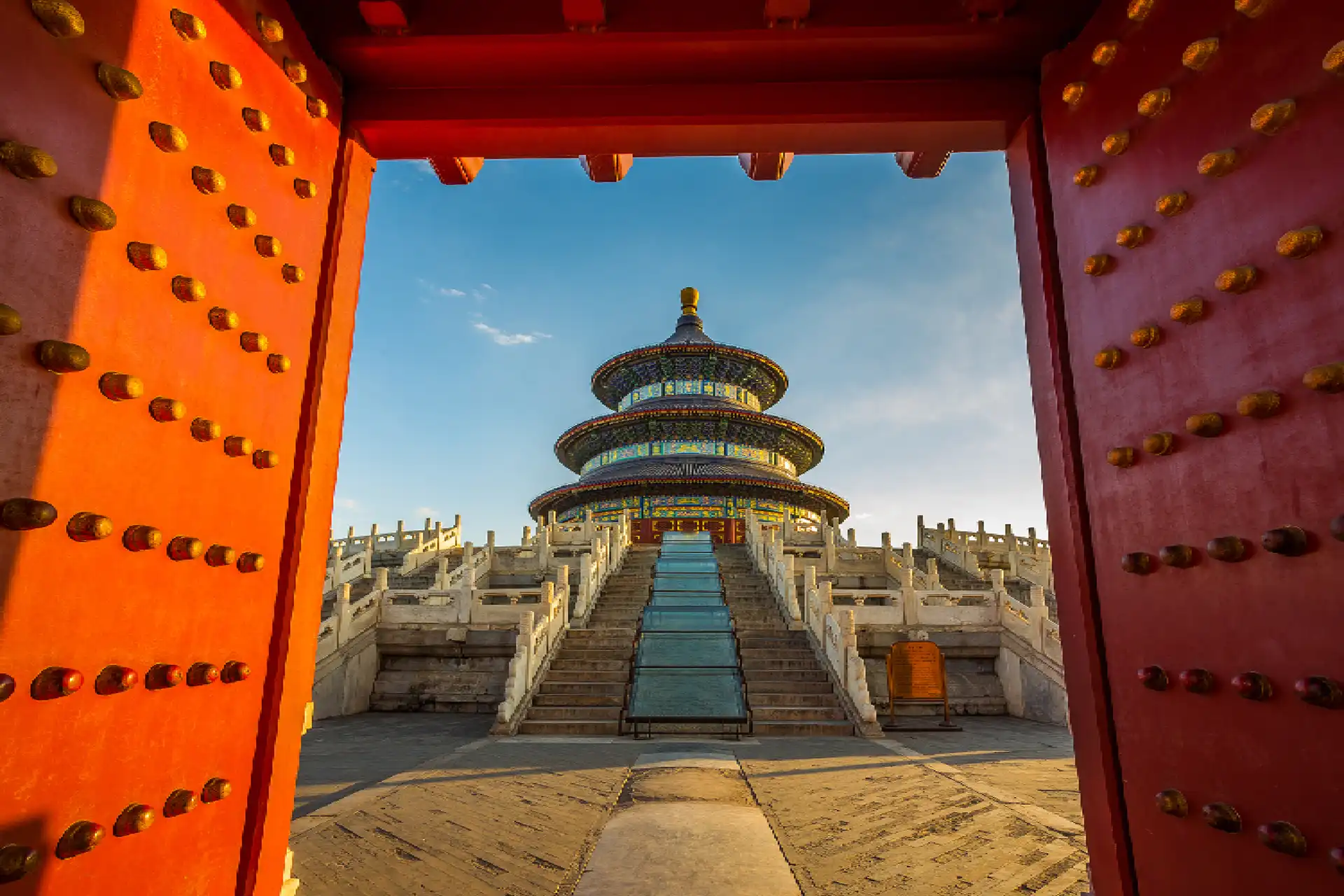
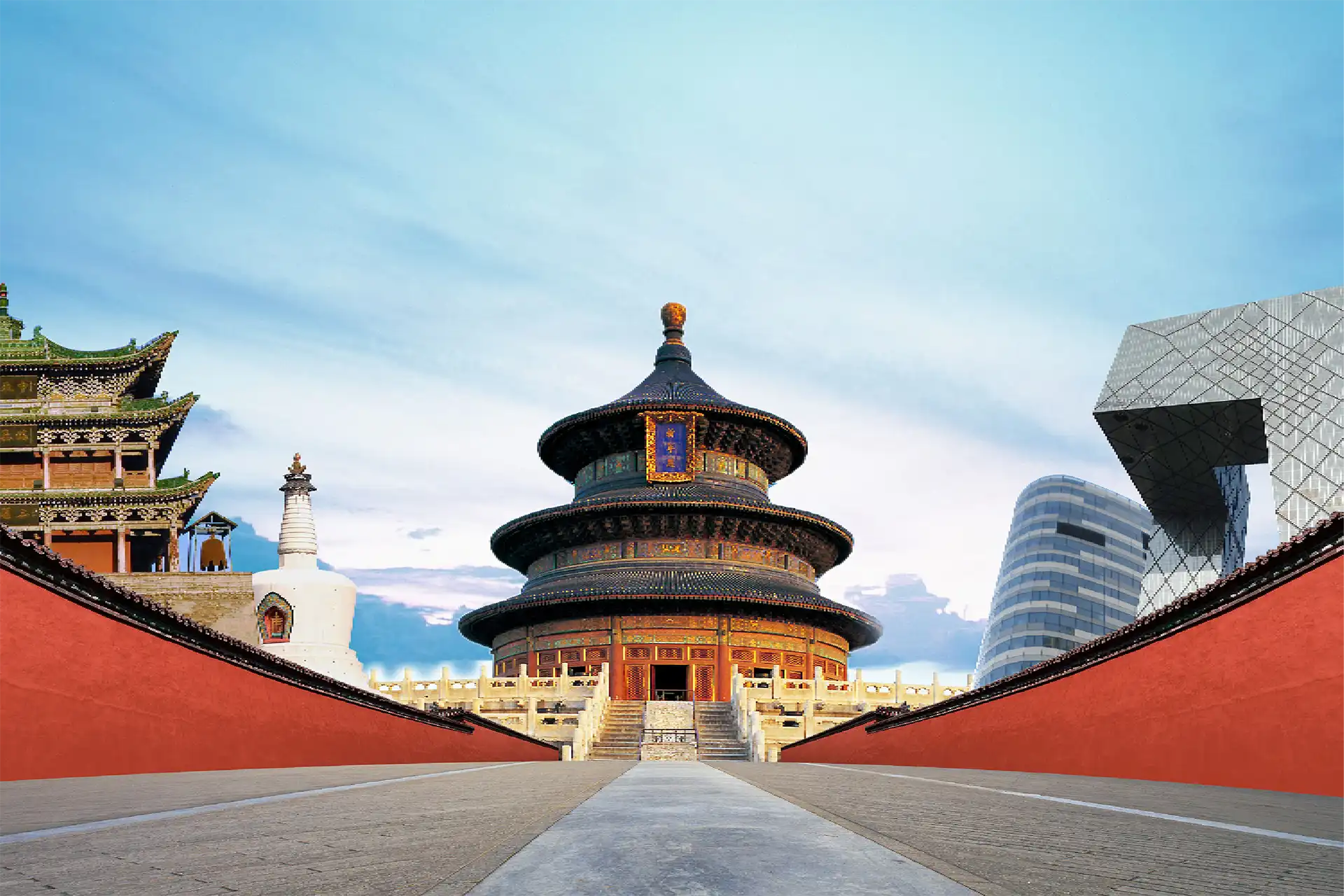
Located in the southeastern part of old Beijing, southeast of the Forbidden City and east of Qianmen, the Temple of Heaven was built in 1420 during the Yongle reign of the Ming Dynasty. It served as the place where emperors of the Ming and Qing dynasties worshipped heaven. The Temple of Heaven represents the pinnacle of Ming and Qing architectural techniques, a treasure of Chinese ancient architecture, and the world's largest complex for heaven worship. Its main structures include the Hall of Prayer for Good Harvests, the Imperial Vault of Heaven, and the Circular Mound Altar. The Hall of Prayer for Good Harvests, with its unique circular structure and blue glazed tile roof, has become one of Beijing's most iconic landmarks.
Beihai Park
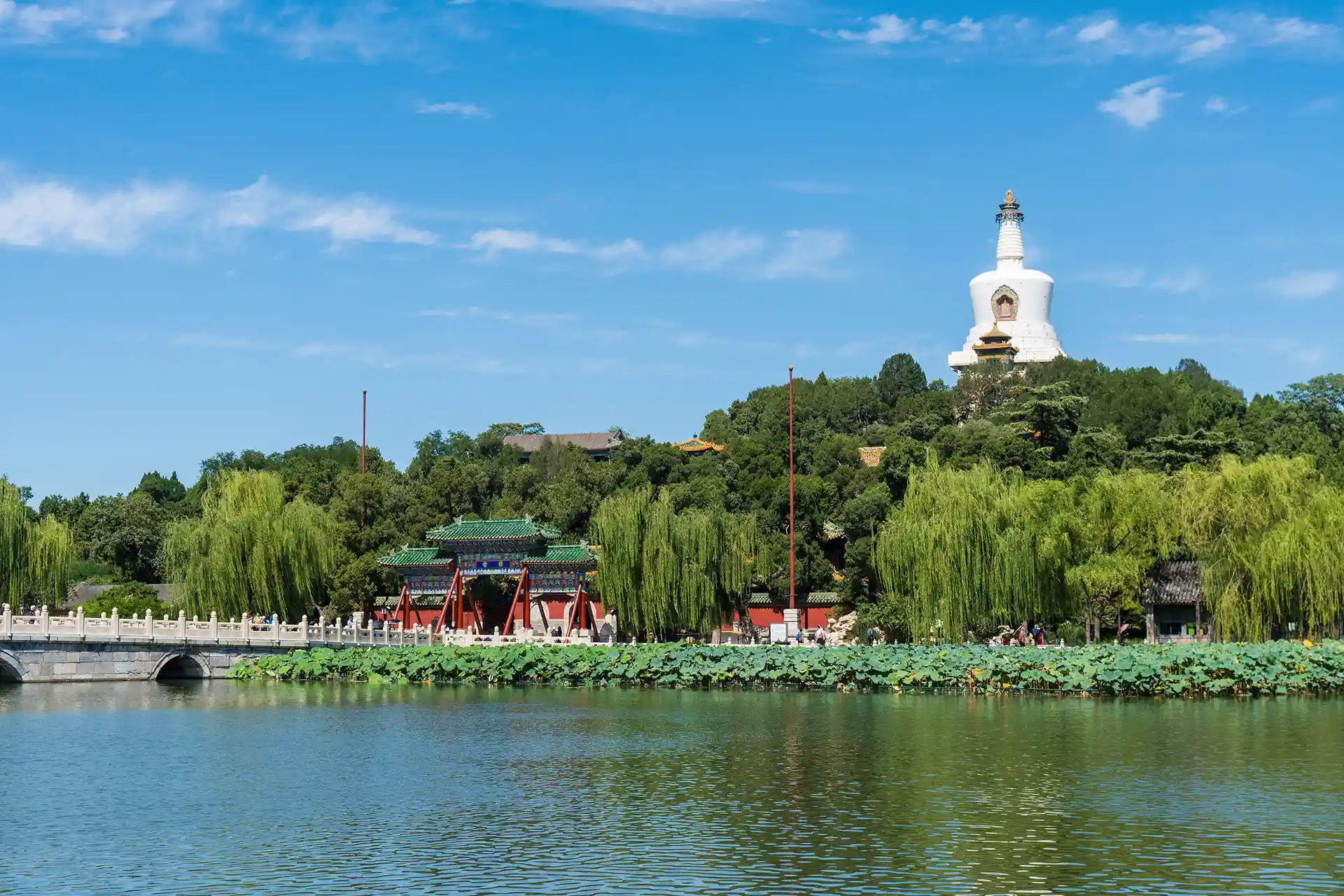
Located northwest of the Forbidden City, east of Jingshan Park and north of Shichahai, Beihai Park was gradually built as an imperial garden during the Liao, Jin, Yuan, Ming, and Qing dynasties over 900 years. It is one of the oldest, most complete, comprehensive, and representative royal gardens in China. The park features the iconic White Dagoba, serene lakes and mountains, and exquisite pavilions and towers. Famous attractions include the Nine-Dragon Wall, Jingxin Studio, and Haopujian, making it an ideal destination to experience classical Chinese garden art.
Shichahai
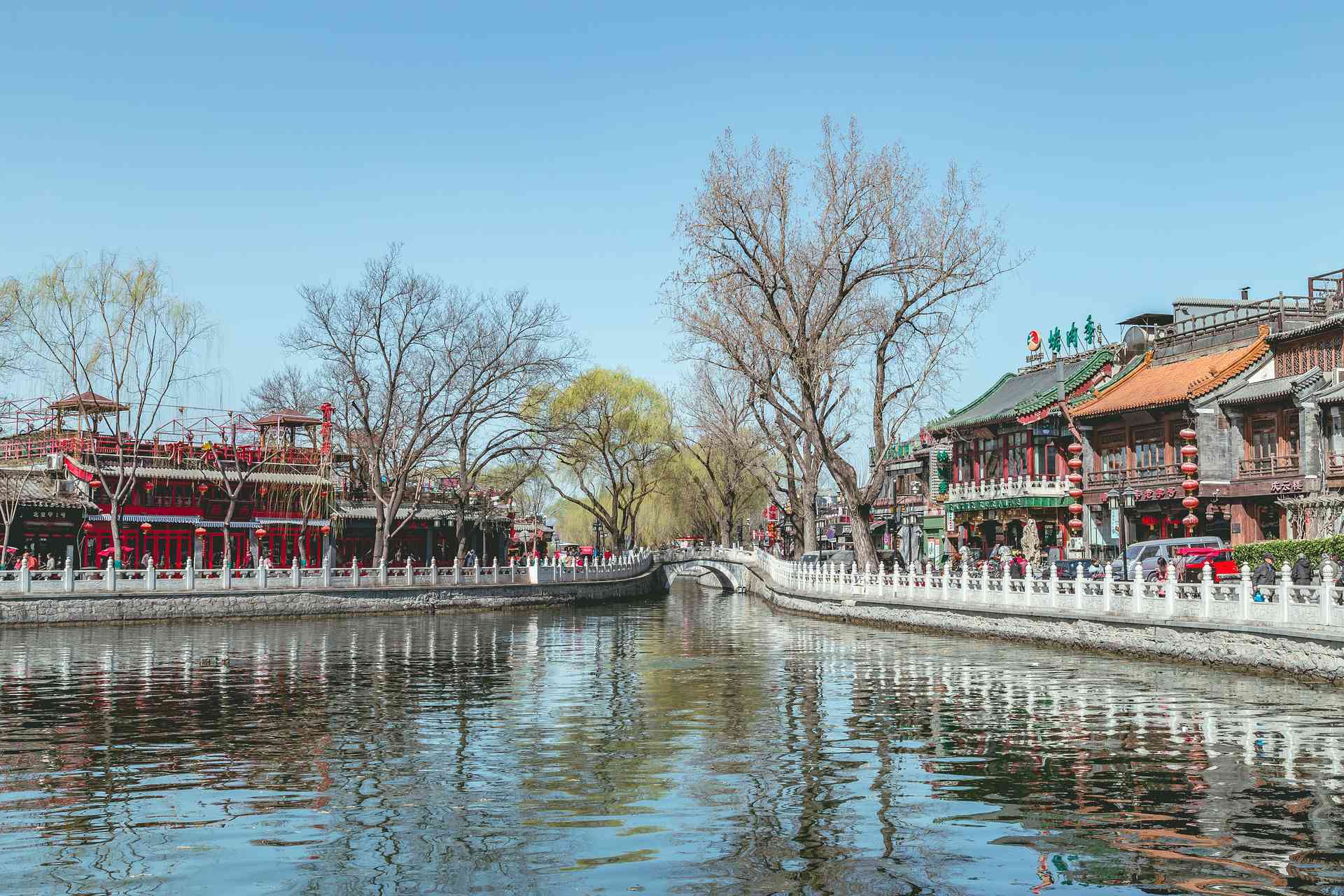
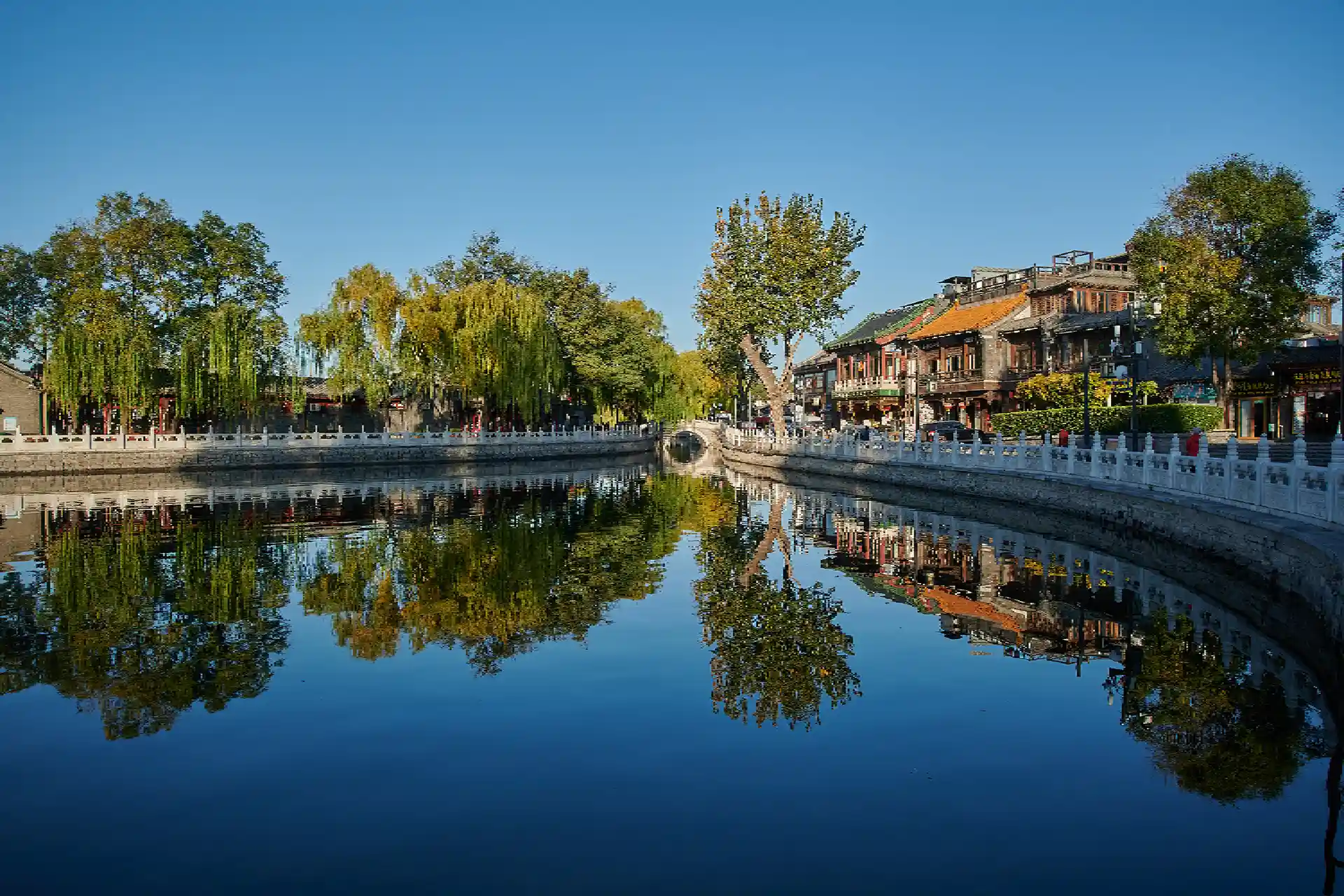
The hutongs and siheyuan (courtyard houses) of Shichahai form the cultural fabric of old Beijing and embody its history. Along the winding banks of Shichahai, an irregular yet dense network of hutongs was naturally formed, following the contours of the land. This area preserves the most authentic old Beijing atmosphere and is known as the "Venice of the North." The shores are dotted with numerous historical sites including Prince Gong's Mansion, the Former Residence of Soong Ching-ling, and Guanghua Temple. The bar street at night offers a unique charm.
Prince Gong's Mansion

Located on Qianhai West Street in Xicheng District, Prince Gong's Mansion is one of the most completely preserved princely mansion complexes in China. It consists of two parts: the residence (front) and the garden (back), covering approximately 31,000 square meters. The mansion is divided into central, eastern, and western sections, with multiple courtyards arranged along a strict central axis. Once the residence of Heshen (the corrupt official of the Qing Dynasty) and later Prince Gong (Yixin), the mansion features exquisite architecture. The "Fu" (Fortune) character tablet in the garden is particularly renowned, earning the mansion the reputation of "One Prince Gong's Mansion, Half of Qing Dynasty History."