TTC

12 Best Cultural Cities in China to Visit in 2026

Last updated: Jul 30, 2026

12 Best Cultural Cities in China to Visit in 2026

12 Best Cultural Cities in China to Visit in 2026

China's best cultural cities are not all ancient capitals. Some preserve imperial palaces and archaeological sites; others are shaped by classical gardens, Silk Road exchange, tea, religion, minority traditions or twentieth-century history.

For a first cultural trip, Beijing and Xi'an are the strongest starting pair. Add Shanghai for contrast, or Suzhou and Hangzhou for Jiangnan gardens and water landscapes. Travelers interested in regional culture can build a separate route around Chengdu, Lijiang and Dali.

This is an editorial travel-planning list rather than an official government ranking. We selected 12 cities for the importance of their heritage, the range of experiences available today and how realistically they fit into a visitor itinerary.

Quick comparison: which cultural city should you choose?

CityBest known forRecommended stayBest for
Xi'anTerracotta Army, Tang culture, Silk Road3–4 daysArchaeology and ancient history
BeijingForbidden City, Great Wall, hutongs4–5 daysFirst-time visitors and imperial history
LuoyangLongmen Grottoes, early capitals, Buddhism2–3 daysBuddhist art and dynastic history
NanjingMing heritage and modern Chinese history2–3 daysMuseums and twentieth-century history
SuzhouClassical gardens, canals, Kunqu opera2 daysGardens, design and slow travel
HangzhouWest Lake, tea and Southern Song culture2–3 daysLandscape culture and tea
QufuConfucius Temple, Mansion and Cemetery1–2 daysConfucian thought and education
DunhuangMogao Caves and Silk Road desert heritage2–3 daysCave art and Silk Road history
ChengduShu culture, Sichuan opera, Sanxingdui3–4 daysFood, archaeology and living culture
LijiangNaxi culture and Old Town2–3 daysEthnic culture and mountain landscapes
DaliBai culture, old town and Erhai Lake2–3 daysLocal traditions and relaxed travel
ShanghaiTreaty-port history, shikumen and modern China2–3 daysArchitecture and old-meets-new contrast

1. Xi'an — best for archaeology and Tang dynasty culture

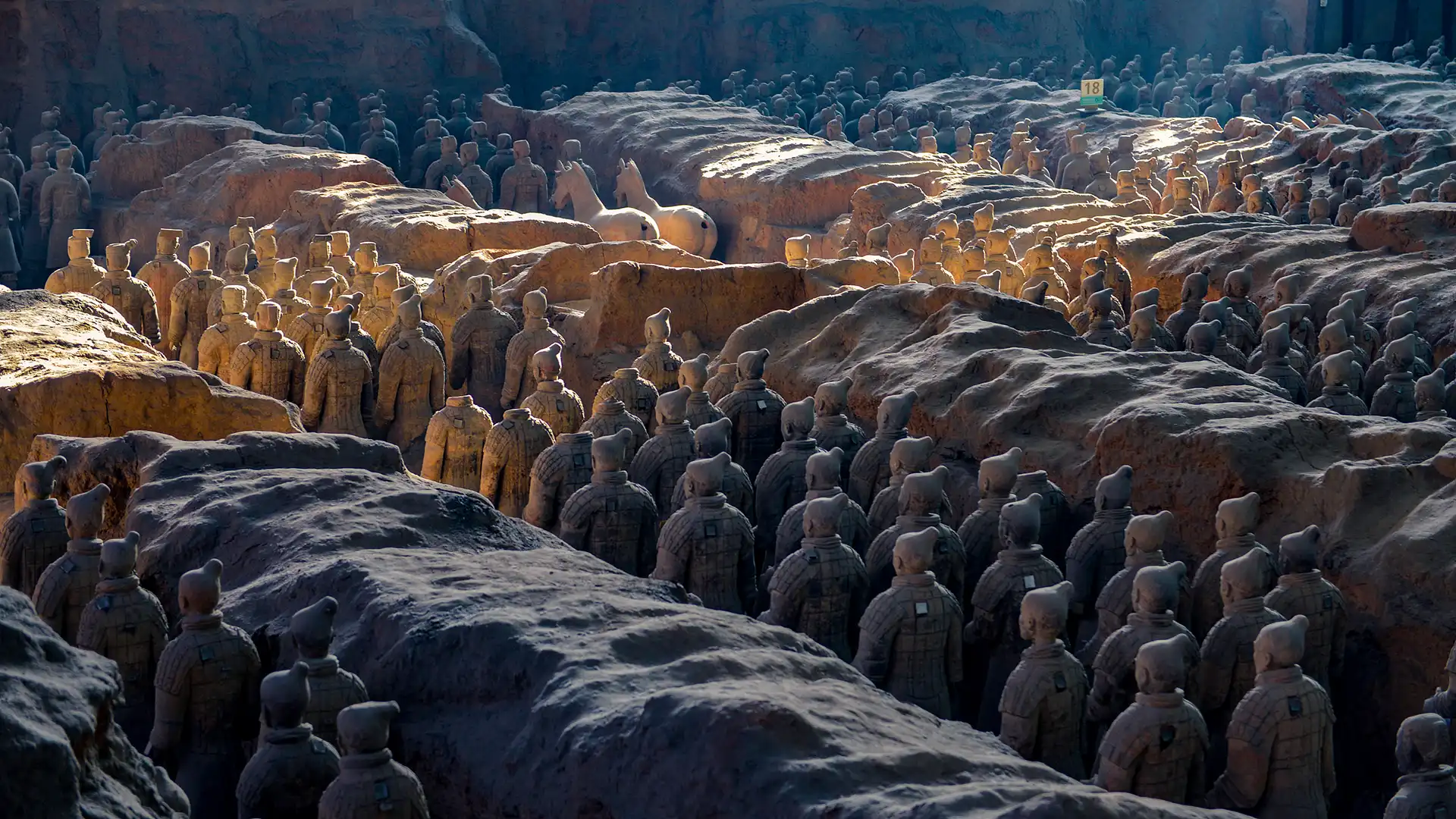
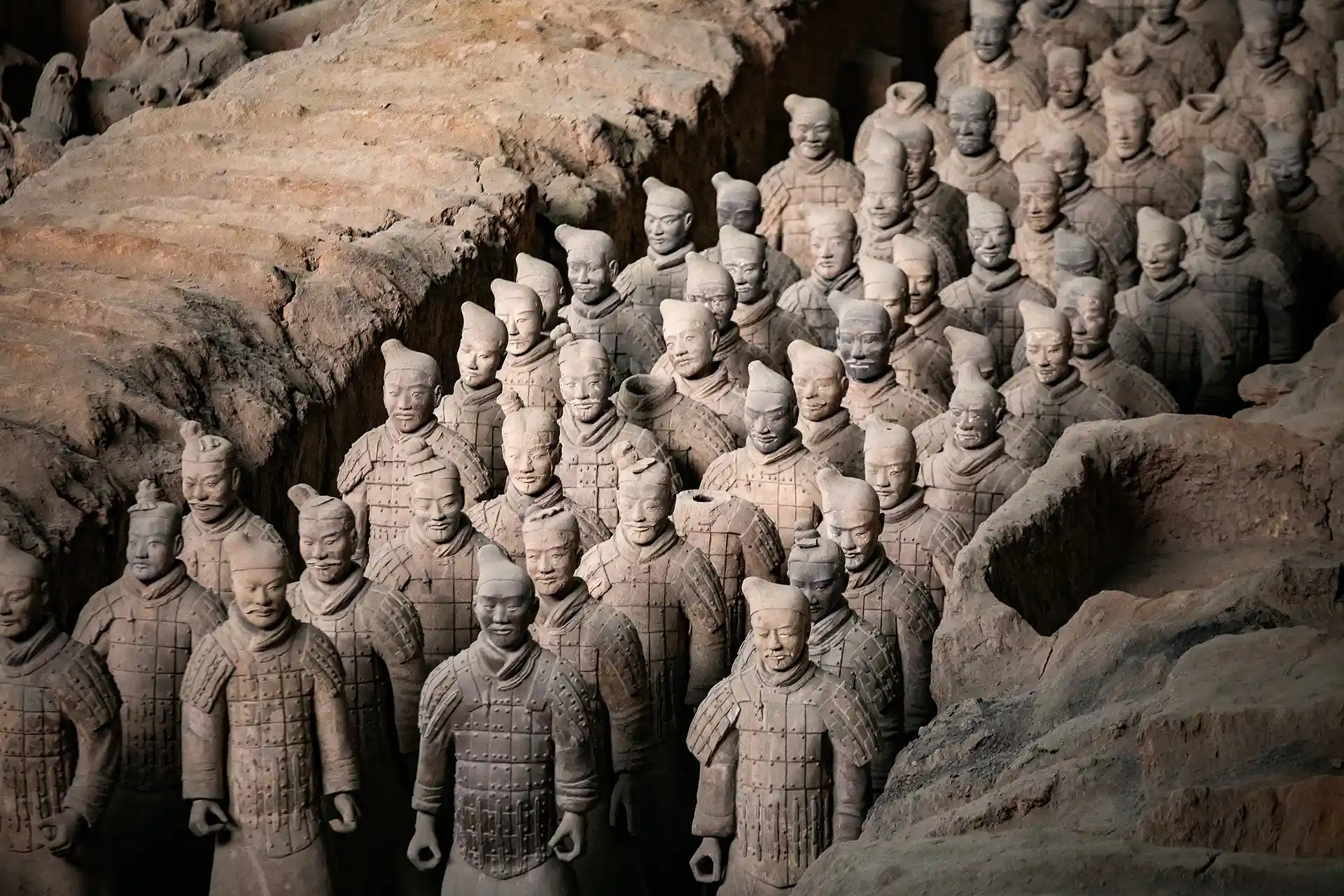
Terracotta Warriors

  • Recommended stay: 3–4 days
  • Best for: First-time history travelers, archaeology enthusiasts, families with older children

Xi'an was the capital of multiple dynasties and the eastern starting point of the ancient Silk Road. Its cultural range is unusually broad: the Terracotta Army represents the Qin empire, the city wall reflects Ming urban defense, and the Giant Wild Goose Pagoda and Tang-themed districts connect the city to Buddhism and cosmopolitan Chang'an.

Do not treat the Terracotta Army as the entire city. Allow one day for the archaeological site, one for the city wall, Great Mosque and Muslim Quarter, and another for museums, temples or a Tang culture experience.

2. Beijing — best all-round introduction to imperial China

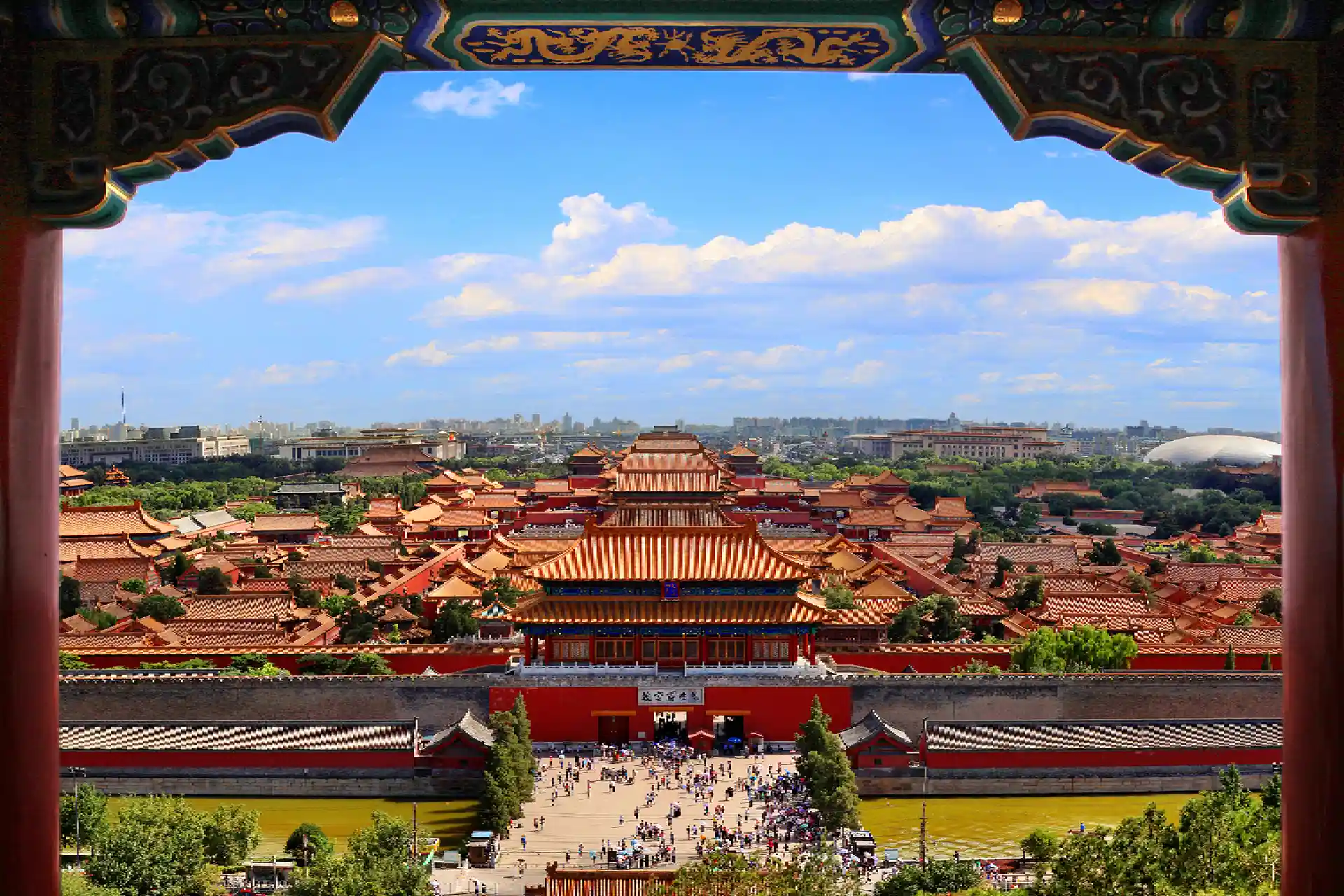
Forbidden City

  • Recommended stay: 4–5 days
  • Best for: First-time China visitors, families, architecture and political-history travelers

Beijing offers the most complete introduction to China's imperial capital culture. The Forbidden City, Temple of Heaven and Summer Palace explain court ritual and urban planning, while the Great Wall adds the wider story of defense and empire. Hutongs, courtyard houses and local food show how the historic capital was lived in beyond the palace gates.

Reservations and travel time matter. Give the Forbidden City most of a day, the Great Wall another day, then divide the remaining time between imperial temples, gardens, hutongs and museums.

  • Essential experiences: Forbidden City, Temple of Heaven, Mutianyu Great Wall, hutong walk
  • Good extension: Datong, Chengde or Xi'an
  • Related tour: 4-Day Beijing Private Tour

3. Luoyang — best for early dynasties and Buddhist art

  • Recommended stay: 2–3 days
  • Best for: Repeat China visitors, Buddhist-art enthusiasts, travelers combining Henan and Xi'an

Luoyang is associated with several early Chinese capitals and is one of the best places to explore the relationship between political power, Buddhism and art. The Longmen Grottoes are the essential visit, followed by White Horse Temple and the city's museums.

Luoyang works particularly well between Xi'an and Zhengzhou by high-speed rail. In peony season the city becomes much busier, so accommodation and transport should be booked earlier.

  • Essential experiences: Longmen Grottoes, White Horse Temple, Luoyang Museum
  • Good extension: Shaolin Temple, Zhengzhou or Xi'an

4. Nanjing — best for Ming and modern Chinese history

  • Recommended stay: 2–3 days
  • Best for: Museum travelers, students of modern China, visitors based in Shanghai

Nanjing was an imperial capital and later a center of Republican-era history. Ming Xiaoling Mausoleum and the surviving city wall represent its early capital legacy; the Presidential Palace and major memorial museums introduce the upheavals of the nineteenth and twentieth centuries.

The city deserves more than a rushed day trip if you want historical context rather than photographs. Combine one day around Purple Mountain with another in the old city, museums and Qinhuai district.

  • Essential experiences: Ming Xiaoling Mausoleum, city wall, Presidential Palace, Confucius Temple area
  • Good extension: Yangzhou, Suzhou or Shanghai
  • Related tour: Nanjing History and Heritage Day Tour

5. Suzhou — best for classical gardens and Jiangnan aesthetics

  • Recommended stay: 2 days
  • Best for: Garden lovers, architects, photographers and slow travelers

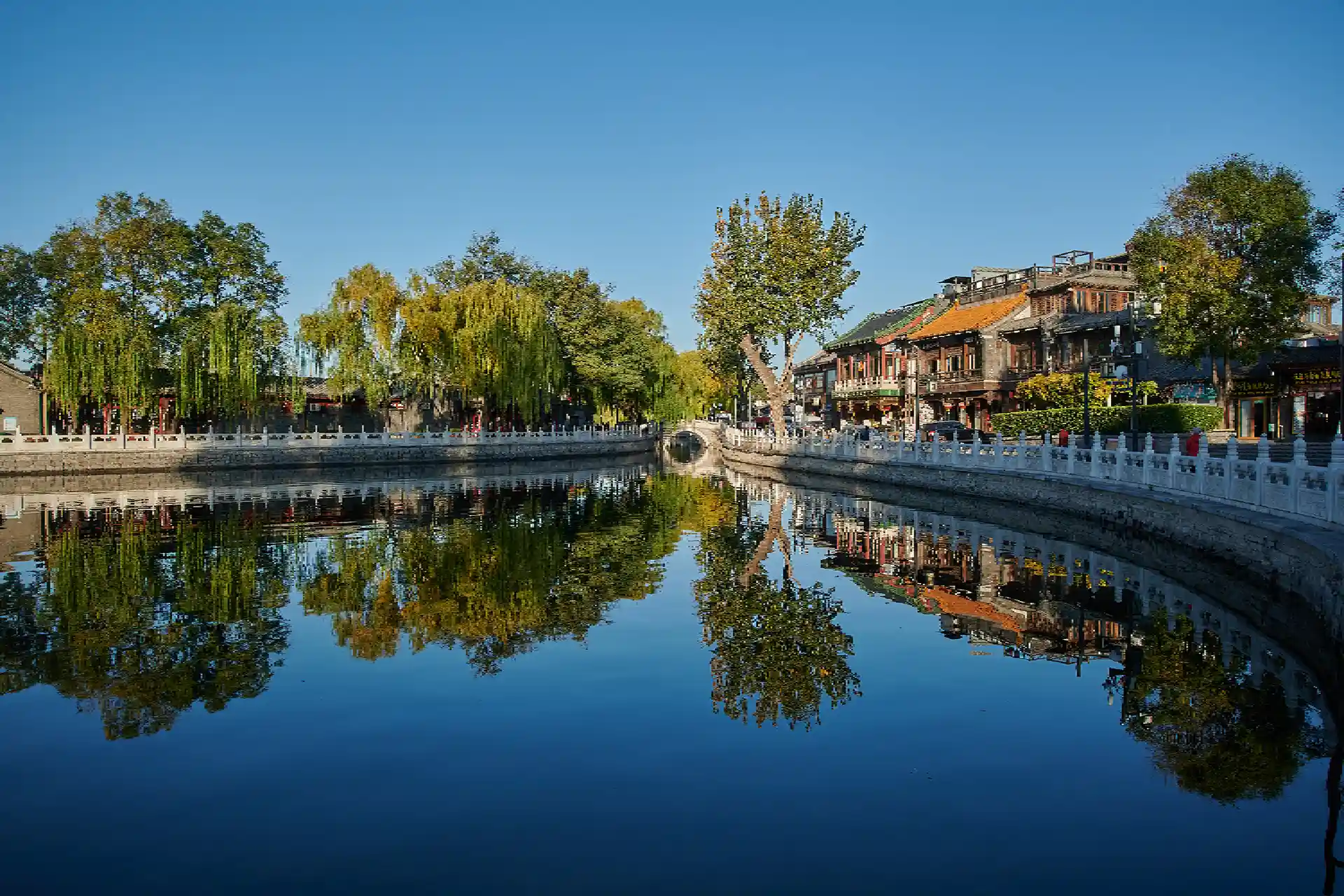
Suzhou expresses Jiangnan culture through carefully composed gardens, canals, stone bridges, silk and performing arts. The Humble Administrator's Garden and Lion Grove Garden show different approaches to rocks, water, borrowed scenery and changing viewpoints. Pingjiang Road adds a more everyday canal-side setting.

Visit one major garden early rather than attempting every famous garden. Add a smaller garden, a canal neighborhood and, if available, a Kunqu opera or Suzhou pingtan performance.

  • Essential experiences: Humble Administrator's Garden, Lion Grove Garden, Pingjiang Road, Kunqu or pingtan
  • Good extension: Tongli, Wuzhen, Hangzhou or Shanghai
  • Related tour: Suzhou Classical Gardens Day Tour

6. Hangzhou — best for landscape culture and tea

  • Recommended stay: 2–3 days
  • Best for: Tea lovers, couples, walkers and travelers interested in Southern Song culture

Hangzhou combines a designed cultural landscape with religious and tea traditions. West Lake is not simply a scenic lake: its causeways, islands, temples, pagodas and named views shaped landscape aesthetics across East Asia. Lingyin Temple and Longjing tea country add very different dimensions to the city.

Spend one day around West Lake, then a second around Lingyin Temple and Longjing Village. A third day can be used for a water town or a slower exploration of historic streets and museums.

  • Essential experiences: West Lake cruise, Su Causeway, Lingyin Temple, Longjing Village
  • Good extension: Wuzhen, Xitang, Suzhou or Shanghai
  • Related tour: Hangzhou West Lake Half-Day Tour

7. Qufu — best for understanding Confucian tradition

  • Recommended stay: 1–2 days
  • Best for: Philosophy, education and intellectual-history travelers

Qufu is traditionally identified as the birthplace of Confucius. Its three central sites—the Temple of Confucius, Kong Family Mansion and Cemetery of Confucius—show how Confucian memory, ritual and family lineage were maintained over centuries.

One full day covers the core heritage area, but an overnight stay allows more time for museums and interpretation. Qufu can be connected by high-speed rail with Beijing, Jinan or Nanjing.

  • Essential experiences: Temple of Confucius, Kong Family Mansion, Cemetery of Confucius
  • Good extension: Jinan, Mount Tai or Nanjing

8. Dunhuang — best for Silk Road art

  • Recommended stay: 2–3 days
  • Best for: Art-history travelers, Silk Road enthusiasts and desert landscapes

Dunhuang grew at a meeting point of routes, religions and artistic traditions. The Mogao Caves preserve an extraordinary record of Buddhist art and cultural exchange, while Yumen Pass and Yang Pass place the city within the geography of the Silk Road.

Mogao visits require advance planning and regulated entry. Use another day for the desert landscape around Mingsha Mountain and Crescent Lake, and add a western-sites day if ancient frontier history is a priority.

  • Essential experiences: Mogao Caves, Mingsha Mountain, Crescent Lake
  • Good extension: Jiayuguan, Zhangye or a longer Gansu Silk Road route

9. Chengdu — best for food, Shu culture and Sanxingdui

  • Recommended stay: 3–4 days
  • Best for: Food travelers, families, archaeology enthusiasts and relaxed city breaks

Chengdu is more than pandas and hot pot. Wuhou Shrine preserves Three Kingdoms memory, Du Fu Thatched Cottage connects the city to classical poetry, and Sichuan opera represents a living performance tradition. Outside the center, Sanxingdui and Dujiangyan expand the story of ancient Shu civilization and engineering.

Plan one central cultural day, one panda and local-life day, and one day for Sanxingdui or Dujiangyan. Food is part of the itinerary rather than an evening afterthought.

  • Essential experiences: Wuhou Shrine, Du Fu Thatched Cottage, Sichuan opera, Sanxingdui
  • Good extension: Chongqing, Leshan, Emei Mountain or Xi'an
  • Related tour: 5-Day Chengdu Shu Culture Private Tour

10. Lijiang — best for Naxi culture

  • Recommended stay: 2–3 days
  • Best for: Ethnic-culture travelers, photographers and visitors combining culture with nature

Lijiang is known for its old town, waterways and Naxi heritage. The most rewarding visit goes beyond the busiest commercial lanes: include a quieter morning walk, Dongba cultural interpretation and nearby villages such as Baisha or Shuhe.

Lijiang also serves as a base for Jade Dragon Snow Mountain and longer journeys toward Tiger Leaping Gorge and Shangri-La. Allow for altitude adjustment before an intensive mountain day.

11. Dali — best for Bai culture and a slower Yunnan journey

  • Recommended stay: 2–3 days
  • Best for: Slow travelers, couples, cyclists and visitors interested in local communities

Dali combines the historic old town with Bai villages, temples, markets and the landscape between Cangshan Mountain and Erhai Lake. The city is most rewarding when there is time to leave the central tourist streets and explore villages or lakeside communities.

Use one day for the old town and Three Pagodas, then another for a village or selected section of Erhai Lake. Dali and Lijiang are easy to pair, but they offer different cultural atmospheres and should not be treated as interchangeable.

  • Essential experiences: Dali Old Town, Three Pagodas, Bai village, Erhai lakeside
  • Good extension: Lijiang, Shaxi or Kunming

12. Shanghai — best for modern Chinese history and architecture

  • Recommended stay: 2–3 days
  • Best for: Architecture, design, food and travelers who want historical contrast

Shanghai belongs on a cultural itinerary because China's modern history is as important as its dynastic past. The Bund, former concession neighborhoods, shikumen housing and industrial buildings reveal how trade, migration and urban life shaped the city.

Pair the headline skyline with a museum, a guided architecture walk and residential-scale streets. Shanghai is also the most convenient gateway for combining Suzhou, Hangzhou and nearby water towns.

Best cultural city combinations

First China trip: Beijing, Xi'an and Shanghai — 8 to 10 days

This route gives the clearest historical progression: imperial Beijing, ancient and Silk Road Xi'an, then modern Shanghai.

Ancient capitals: Beijing, Luoyang and Xi'an — 9 to 11 days

Choose this route if archaeology, Buddhism and dynastic history matter more than modern cities.

  • Beijing: 4 nights
  • Luoyang: 2 nights
  • Xi'an: 3 nights
  • Best connection: high-speed rail throughout

Jiangnan culture: Shanghai, Suzhou, Wuzhen and Hangzhou — 7 to 9 days

This route combines modern architecture, classical gardens, canal towns, West Lake and tea culture with short travel distances.

Qin and Shu cultures: Xi'an, Chengdu and Chongqing — 10 to 12 days

Use this combination for archaeology, regional food, Three Kingdoms culture and the dramatic urban landscape of southwest China.

Yunnan cultures: Kunming, Dali, Lijiang and Shangri-La — 8 to 12 days

This is the strongest choice for travelers interested in several ethnic traditions alongside highland landscapes.

How many cultural cities should you visit?

For a 7-day trip, choose two major cities or one region. For 10–14 days, three or four well-connected cities are realistic. Adding more cities usually means losing time to station transfers, hotel changes and repeated packing.

Trip lengthRecommended scope
5–7 daysOne region or two major cities
8–10 daysThree connected cities
11–14 daysThree to four cities with one slower stop
15+ daysTwo cultural regions linked by rail or flight

The best route is not the one with the most famous names. It is the one that leaves enough time for a museum, neighborhood, performance, meal and conversation—not only the landmark photograph.

Plan a cultural China itinerary

Tell us which periods, art forms, food traditions or local experiences interest you. We can adjust the city combination, pace, hotels, transport and guide language around your dates.

Start a custom cultural China tour →

Suggested Itineraries

Need a custom trip?

Share your dates, group size and travel style, and we can turn the guide into a workable itinerary.

Talk to a travel advisor ← Back to guides