
Chengdu
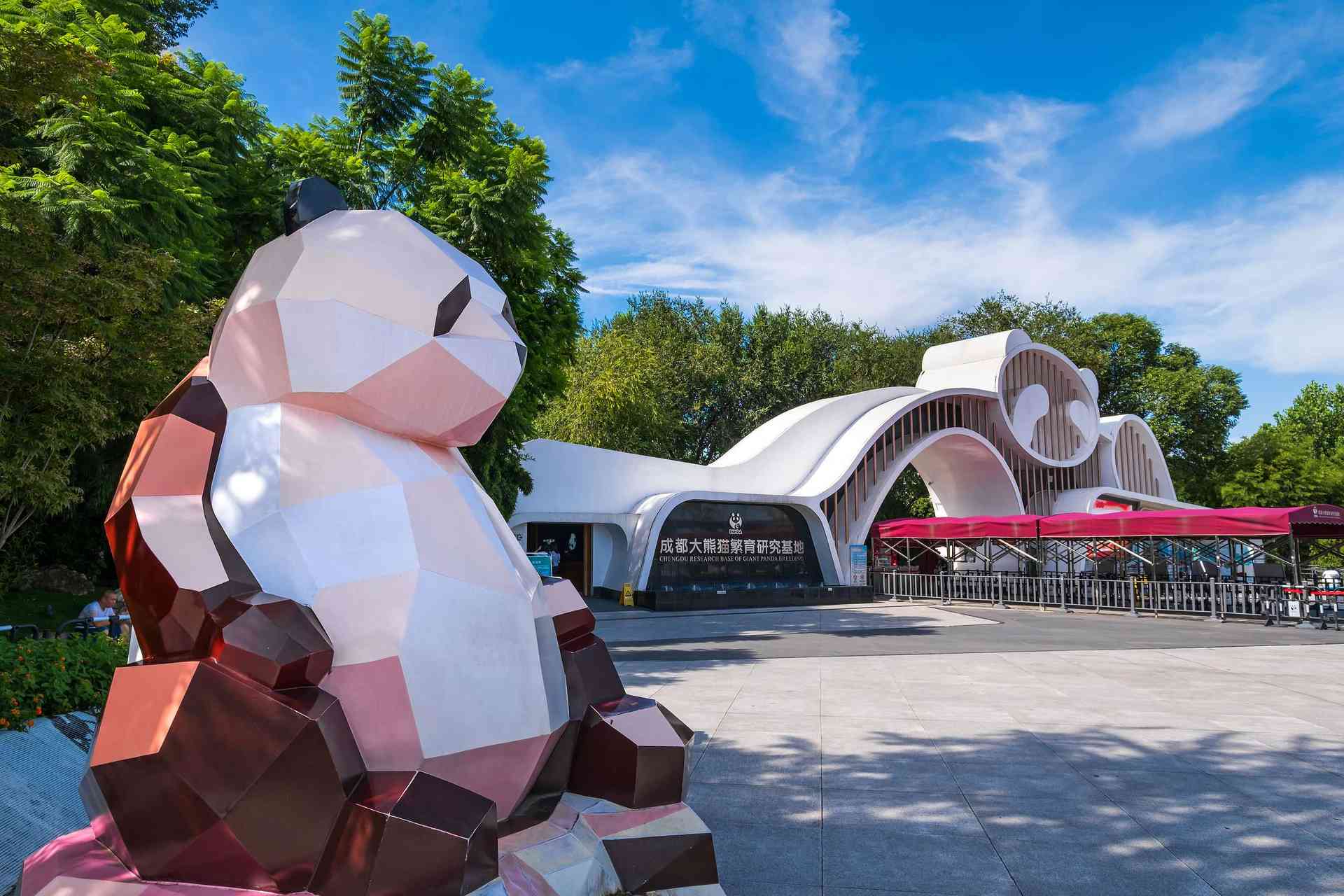
- Chengdu Research Base of Giant Panda Breeding
- Sanxingdui Museum in Guanghan
- Dujiangyan Irrigation System
- Mount Qingcheng
- Wide and Narrow Alleys
- Wuhou Shrine and Jinli Ancient Street
Chengdu
Land of Abundance | Home of giant pandas, capital of slow living
Capital of Sichuan, Chengdu is one of Southwest China’s most captivating cities. With 4,500 years of civilization and over 2,300 years as a city, it is famed as the “Land of Abundance.” It is the homeland of giant pandas and Asia’s first UNESCO “City of Gastronomy.” Sip covered-bowl tea in a teahouse and watch Sichuan opera face-changing; stroll Wide and Narrow Alleys for old Chengdu street life; snack your way through Jinli. The relaxed pace of locals gives the city its unmistakable charm.
Giant Panda Breeding Base | A cozy home for national treasures
North of downtown, the Chengdu Research Base of Giant Panda Breeding holds one of the world’s largest captive-bred panda populations. Bamboo groves and greenery mimic wild habitat. Watch pandas munch bamboo, sunbathe, and play. Red pandas, black-necked cranes, and other rare species also live here. Early morning is best—pandas are most active then.
Sanxingdui Museum | The shocking awakening of ancient Shu civilization
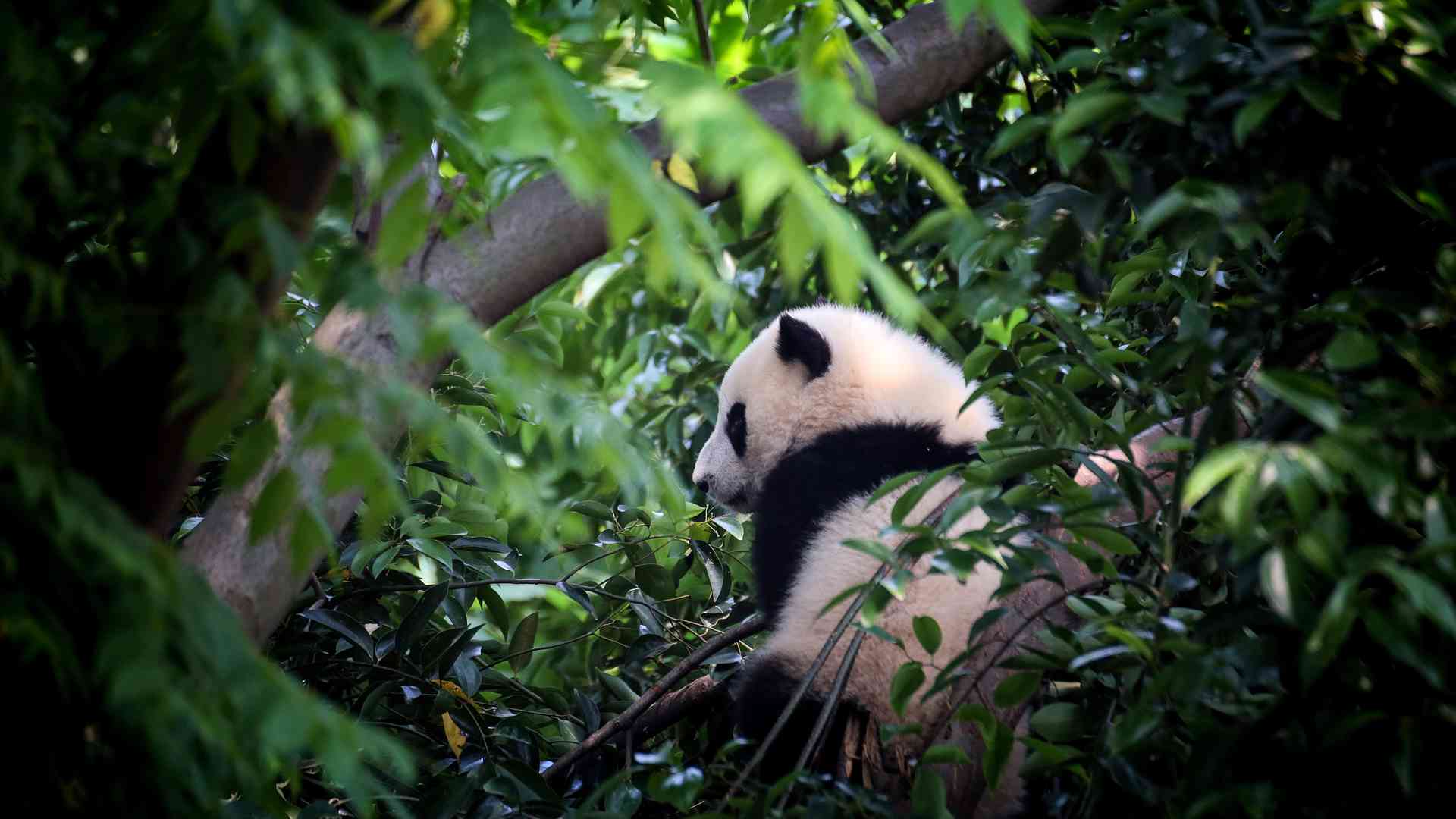
Located in Guanghan, just north of Chengdu, the Sanxingdui Museum showcases one of China's most astonishing archaeological discoveries—artifacts from the ancient Shu Kingdom dating back 3,000 to 5,000 years. The museum houses avant-garde and exaggerated bronze masks with protruding eyes, a 2.62-meter-tall giant bronze standing figure, enigmatic bronze sacred trees, and radiant gold scepters. These extraordinary relics reveal the boundless imagination and highly advanced bronze-casting techniques of the ancient Shu people. Sanxingdui shattered the traditional belief of a single origin for Chinese civilization and continues to fascinate global visitors with its mystical atmosphere and "alien-like" aesthetics. At just 40 kilometers from downtown Chengdu, a combined day tour of the Panda Base and Sanxingdui has become one of the most popular golden routes.
Dujiangyan | The ancestor of world water culture
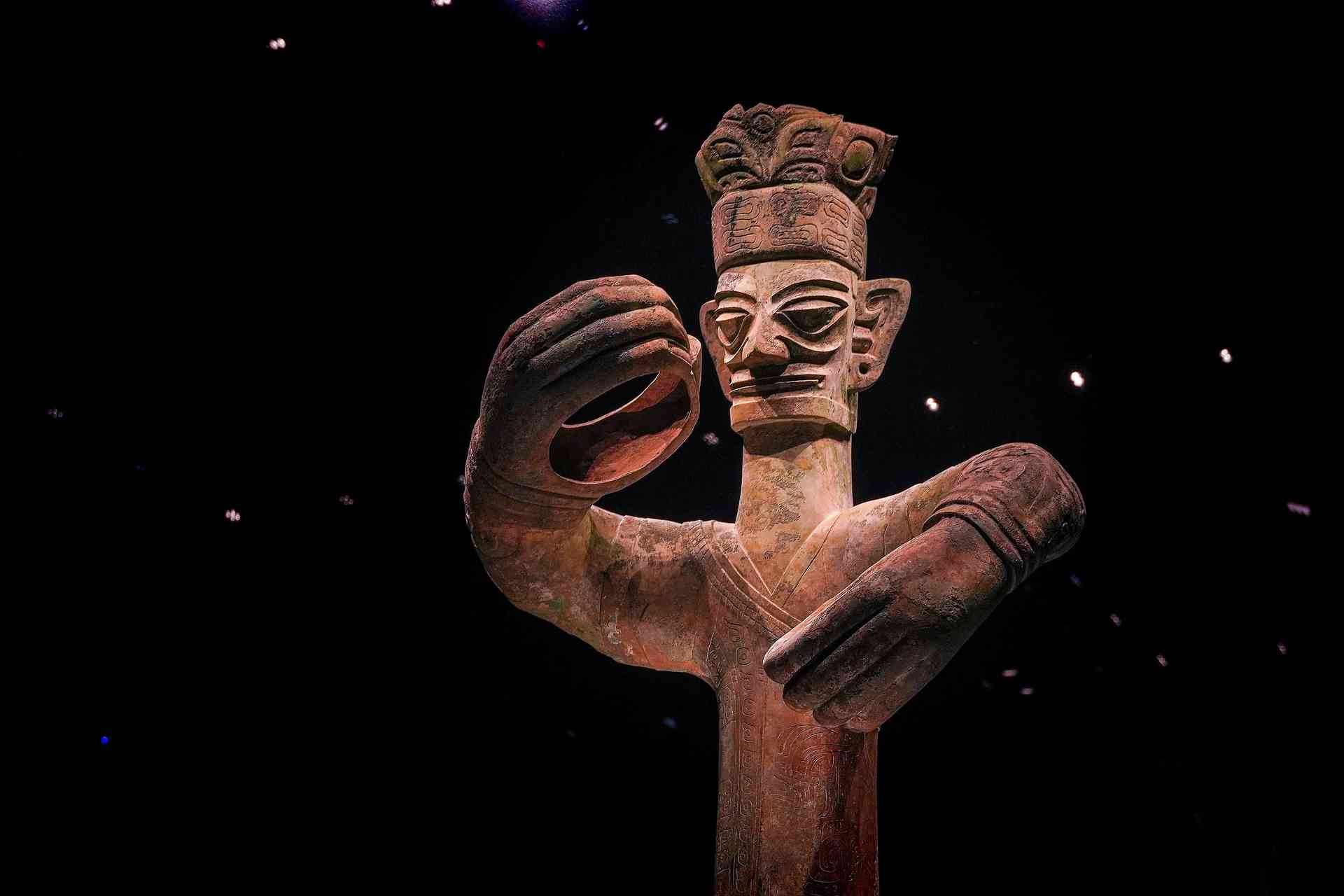
About 50 km from Chengdu, Dujiangyan is a triple World Heritage site (culture, nature, irrigation). Built around 256 BCE under Li Bing and his son, it is the oldest large-scale irrigation project still in use. Fish Mouth, Flying Sand Weir, and Bottle-Neck Channel split flow, flush silt, and control intake, turning the Chengdu Plain into a “heaven where flood and drought obey man.” For over two millennia it has sustained the plain—a miracle of hydraulic history.
Mount Qingcheng | Taoism’s cradle, “most serene under heaven”
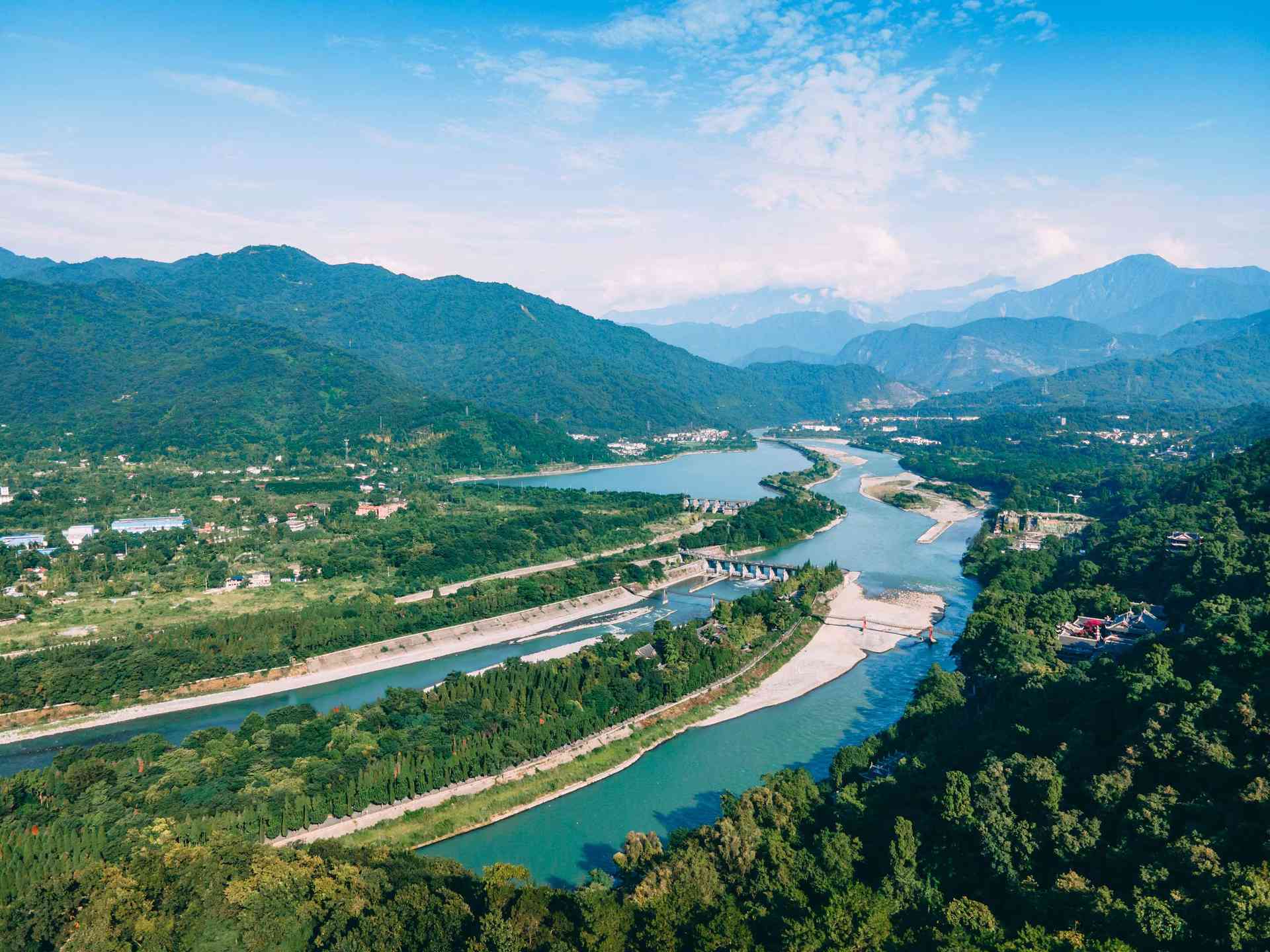
Folklore from “Legend of the White Snake” made this Taoist mountain famous. In Dujiangyan’s southwest, it splits into Front Mountain (Taoist sites: Celestial Master’s Cave, Shangqing Palace) and Back Mountain (streams, waterfalls, hiking). Known for “serenity,” it ranks with Jianmen’s peril, Emei’s beauty, and Kuimen’s grandeur. Walk the trails for Taoist calm and a full reset.
Wide and Narrow Alleys | Old Chengdu in miniature
Three parallel lanes—Wide, Narrow, and Well—preserve one of Chengdu’s largest Qing-dynasty street blocks. Wide Alley shows folk culture; Narrow Alley, courtyard “slow life”; Well Alley, younger fashion. Try San Da Pao, rabbit heads, and sad bean jelly; watch face-changing in teahouses; shop for Shu embroidery and silver crafts.
Wuhou Shrine and Jinli | Three Kingdoms and folk flavor
Wuhou Shrine is China’s only joint temple for a ruler and minister and a major Three Kingdoms museum—honoring Zhuge Liang and Liu Bei among red walls and bamboo. Beside it, Jinli is one of West Shu’s oldest commercial streets. At night, red lanterns light shops from snacks to teahouses and bars—a concentrated taste of Chengdu life.
Chengdu on the tongue | UNESCO City of Gastronomy
Birthplace of Sichuan cuisine—“each dish its own style, a hundred dishes, a hundred flavors.” Hot pot, wontons, dan dan noodles, San Da Pao, fuqi feipian… Eat in busy hot pot halls, neighborhood “fly restaurants,” or teahouses in People’s Park with ear cleaning on the side. Flavor here comes with a way of life.
Travel tips | When to go and how to get around
- Best seasons: Spring (Mar–May) and autumn (Sep–Nov) are mild. Summer is hot but Mount Qingcheng is cooler; winter is damp and quieter with better hotel value.
- Arriving: Chengdu Shuangliu (CTU) and Tianfu (TFU) airports link China and the world; Chengdu is a major rail hub to Chongqing, Xi’an, Kunming, and more.
- Getting around: The metro covers main sights. For the panda base, Dujiangyan, and Mount Qingcheng, private car or a guided day tour saves time and adds expert commentary.