TTC

China vs Japan, Taiwan & Southeast Asia: Cost, Visas & Travel Style

Last updated: Jul 29, 2026

China vs Japan, Taiwan & Southeast Asia: Cost, Visas & Travel Style

China vs Japan, Taiwan & Southeast Asia: Cost, Visas & Travel Style

Should you visit China, Japan, Taiwan or Southeast Asia? This is a travel decision guide, not a general cultural comparison. It compares what travelers actually need to choose a destination: cost, entry requirements, transport, safety considerations, language, food, pace and the kind of experience each trip delivers.

For clarity, “China” below refers to travel in mainland China. “Southeast Asia” is a diverse region, so the comparison uses common first-trip destinations such as Thailand, Vietnam, Malaysia, Singapore and Indonesia. Individual countries vary substantially.

Quick verdict

  • Choose China for monumental history, dramatic landscapes, high-speed multi-city travel and the greatest contrast between ancient and futuristic places.
  • Choose Japan for exceptionally organized transport, refined urban experiences, seasonal scenery and a trip that is relatively easy to navigate independently.
  • Choose Taiwan for a compact, relaxed journey with night markets, mountain scenery, convenient transport and an approachable Chinese-speaking environment.
  • Choose Southeast Asia for tropical weather, beaches, social backpacking routes and the lowest potential daily budget—depending on the country and travel style.

If your shortlist is specifically China or Japan, choose Japan for smoother independent logistics and China for scale, historical sites and variety. If you want China but prefer help with payment apps, tickets, language and transfers, a private China tour can remove much of the extra planning.

China, Japan, Taiwan and Southeast Asia compared

DimensionChinaJapanTaiwanSoutheast Asia
Best forHistory, monumental sights, landscapes and ambitious multi-city tripsEfficient independent travel, design, food and seasonal sceneryFood, compact itineraries, mountains and relaxed city travelBeaches, warm weather, backpacking and flexible budgets
Typical trip length8–14 days for a first multi-city trip7–12 days5–9 days7–21 days depending on countries and islands
Budget levelModerate; strong hotel and food value, but long distances add transport costsUsually the highest of the fourModerateLow to moderate, with Singapore and resort islands costing more
Entry planningEasy for eligible visa-free passports; advance visa or qualifying transit route for othersVisa-free for many passports; others need advance arrangementsVisa-free for many passports, with different stay periodsRules vary by country and passport
TransportExcellent high-speed rail and metro systems; advance booking and app setup helpThe easiest overall public transport networkCompact and convenient rail, metro and bus travelHighly variable: modern metro systems, domestic flights, ferries and long-distance buses
LanguageEnglish is uneven outside major visitor services; translation tools helpTourist signage is strong; spoken English variesTourist areas are manageable; Mandarin is most usefulEnglish ranges from widely used to limited depending on country and location
PaymentMobile payment dominates; prepare Alipay/WeChat, card and cashCards, cash and transit cards are easy to combineCards, cash and mobile payment are commonly availableMix of cash, cards and local QR systems
Travel paceBig distances and high-intensity sightseeingStructured, efficient and detail-orientedRelaxed and compactFlexible, often slower around beaches and islands
Signature experienceGreat Wall, imperial capitals, megacities and landscapes such as ZhangjiajieTemples, rail travel, city neighborhoods, onsen and seasonal natureNight markets, temples, tea, mountains and coastTropical islands, street food, temples, diving and social travel

Daily travel budget comparison

These are indicative planning ranges per person per day in USD, excluding international flights. They are not fixed prices. Season, exchange rates, room sharing, domestic flights, major attractions and private services can change the total significantly.

DestinationBudget tripComfortable independent tripMain cost drivers
China$55–100$120–250Long-distance rail or flights, attraction tickets, private transfers and guides
Japan$80–140$160–320Accommodation in major cities, intercity rail, dining and seasonal demand
Taiwan$55–100$110–220Taipei hotels, intercity rail, day tours and mountain transport
Southeast Asia$35–80$90–220Country choice, islands, resorts, domestic flights and private transfers

Which offers the best value?

  • Lowest possible budget: usually Vietnam, Thailand, Indonesia or Malaysia outside premium resorts.
  • Best value for major historical sights and good hotels: often China, especially when two people share transport or a guide.
  • Most predictable independent logistics: Japan, although the daily cost is generally higher.
  • Best compact trip without many domestic flights: Taiwan.

China is not automatically cheaper than Southeast Asia. A China trip crossing Beijing, Xi'an, Chengdu, Zhangjiajie and Shanghai covers enormous distances. The value comes from the quality of transport, hotels and experiences—not from being the absolute cheapest destination.

Visa and entry convenience

Visa rules depend on nationality, passport type, purpose, trip length and sometimes arrival route. Always check the official authority before buying non-refundable travel.

DestinationGeneral planning positionWhat to verify
ChinaVisa-free entry is available to a growing number of passports; other travelers may need a tourist visa or a qualifying 240-hour transit itineraryEligible passport, policy end date, permitted purpose, stay length and transit route
JapanMany nationalities receive short-stay visa exemption, while others require a visaPassport eligibility, permitted stay and any eVisa/application requirements
TaiwanMany passports qualify for visa-exempt entry, but allowed stays varyPassport eligibility, stay length, onward ticket and passport validity
Southeast AsiaThere is no single regional tourist visa; every country has its own visa-free, visa-on-arrival or eVisa rulesEach country on the itinerary, land versus air entry, number of entries and stay duration

Official starting points:

Visa convenience should be a tie-breaker, not the only reason to choose a destination. A traveler eligible for China visa-free entry may find China almost as simple to enter as Japan or Taiwan; another passport holder may need substantially more preparation.

Transport and travel convenience

China

China's high-speed rail and urban metro networks make long multi-city trips efficient. The main friction is digital preparation: passport verification for tickets, payment apps, local maps and advance reservations for popular attractions.

China works especially well for a route such as Beijing → Xi'an → Shanghai. Once the essential apps and bookings are ready, the journey can be smoother than the country's size suggests. Use our China payment and internet guide before departure.

Japan

Japan is the easiest choice for travelers who want to navigate independently using trains, clear station systems and established tourist infrastructure. The trade-off is a higher daily budget and the need to plan around busy seasons.

Taiwan

Taiwan is compact. Taipei, Taichung, Tainan and Kaohsiung connect conveniently by rail, while metro and bus networks work well in major cities. Mountain and east-coast itineraries require more schedule planning.

Southeast Asia

Convenience varies widely. Singapore has exceptionally easy public transport; Bangkok and Kuala Lumpur have strong urban networks; islands and rural routes may require ferries, scooters, private drivers or domestic flights. A multi-country trip also adds border and flight logistics.

Safety and practical risk

No destination is risk-free, and safety changes by city, activity and season. Check your government's current travel advice and use normal precautions.

DestinationCommon practical considerations
ChinaCrowded attractions, payment/app readiness, road crossings, altitude in western regions and tightly scheduled sightseeing
JapanEarthquakes, typhoons, summer heat, crowded entertainment districts and missed last trains
TaiwanEarthquakes, typhoons, mountain weather, scooter traffic and hiking conditions
Southeast AsiaRoad and scooter accidents, heat, food/water precautions, petty theft in busy areas and marine/activity safety

For most visitors, the larger difference is not personal security but travel friction: transport complexity, digital setup, weather and how much independent problem-solving the trip requires.

Language and digital convenience

Easiest for an English-speaking independent traveler

Japan and Taiwan generally provide strong tourist signage and compact travel systems. Singapore and major Southeast Asian tourism centers can be even easier in English.

China has English signage at airports, high-speed rail stations, major metros and prominent attractions, but spoken English is less consistent. Translation apps, addresses saved in Chinese and a guide or travel consultant make a meaningful difference.

Payment and mobile apps

  • China: prepare Alipay and/or WeChat Pay, working mobile data, a card and RMB cash.
  • Japan: combine cards, cash and an IC transit card.
  • Taiwan: keep cash for smaller businesses while also using cards and transit payment.
  • Southeast Asia: expect country-specific combinations of cash, cards and QR wallets.

Travelers who dislike installing destination-specific apps may find Japan or Taiwan simpler. Travelers comfortable with mobile tools usually adapt quickly to China.

Culture, food and the type of experience

Choose China for scale and contrast

China is strongest when you want several distinct journeys in one country:

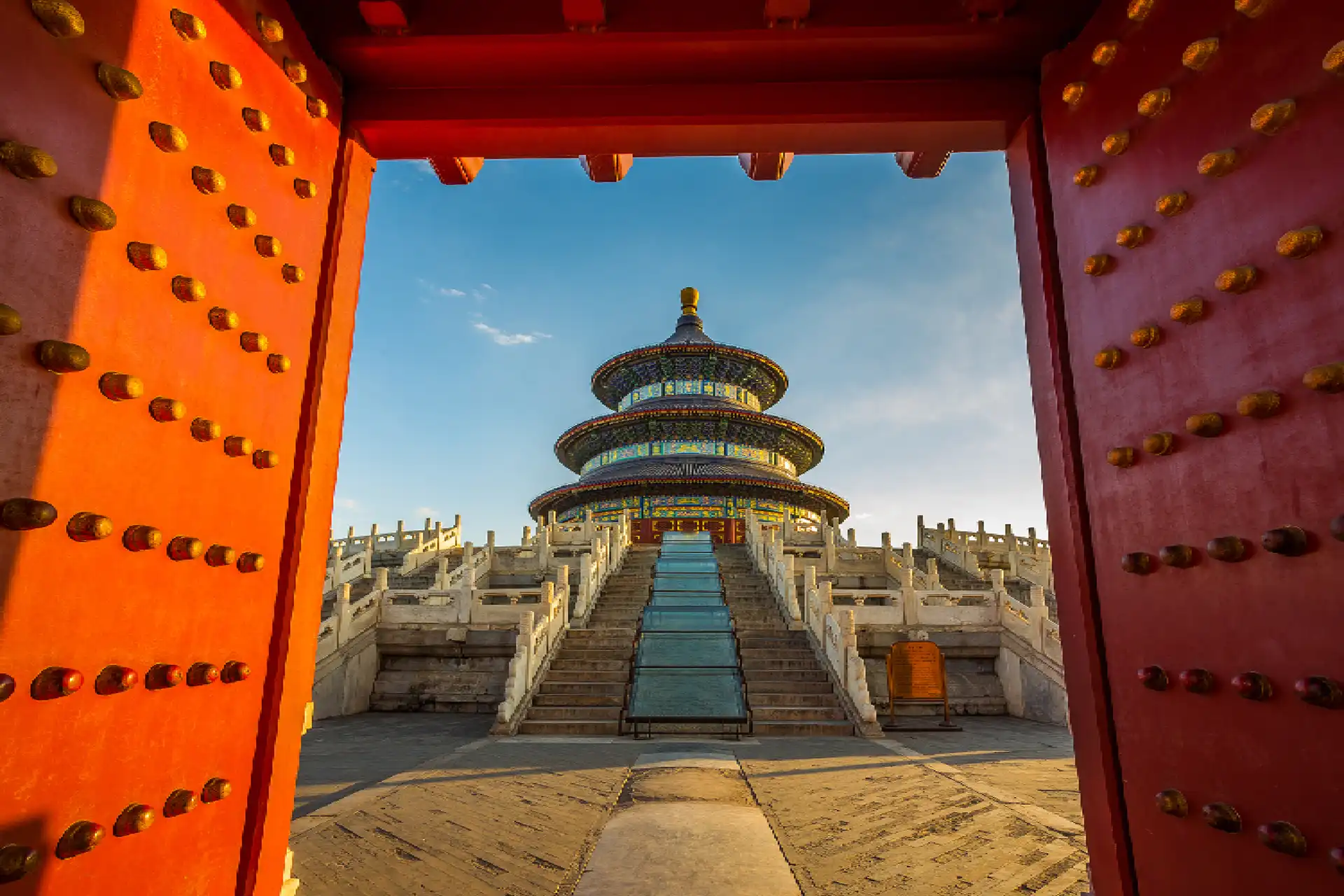
  • Imperial Beijing and the Great Wall
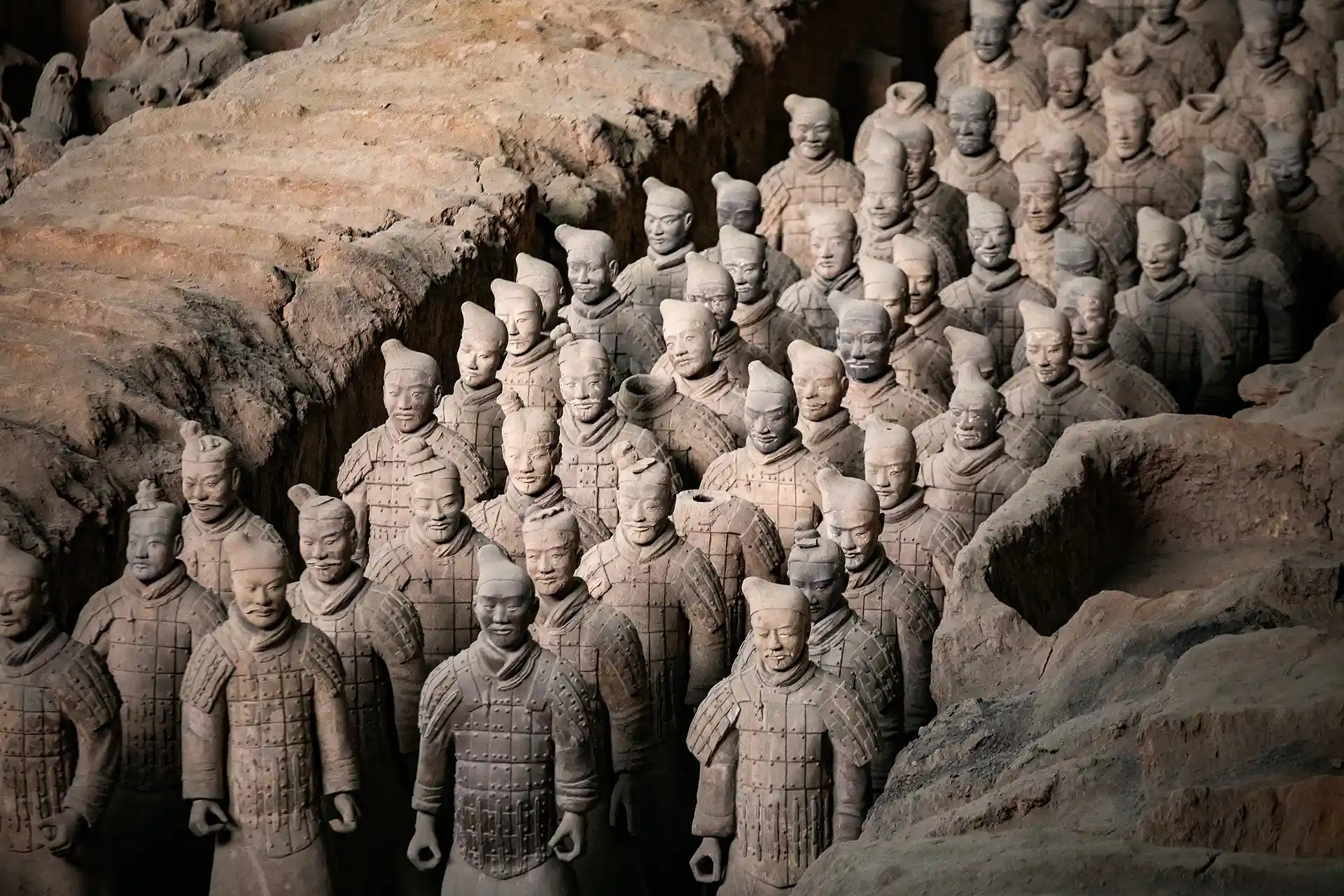
  • The Terracotta Warriors and Tang heritage in Xi'an
  • Panda conservation and Sichuan food in Chengdu
  • Mountain-city architecture in Chongqing
  • Karst landscapes in Guilin
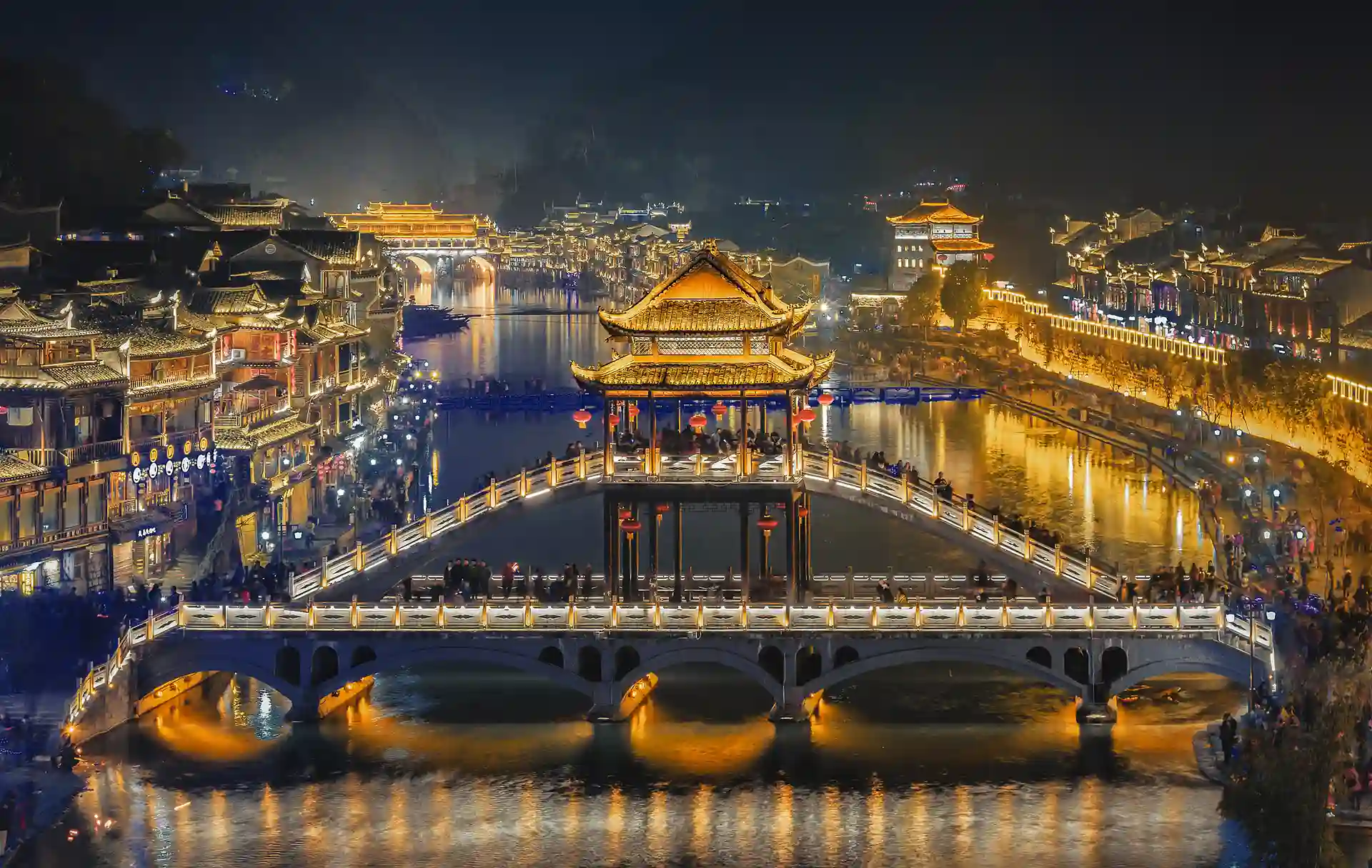
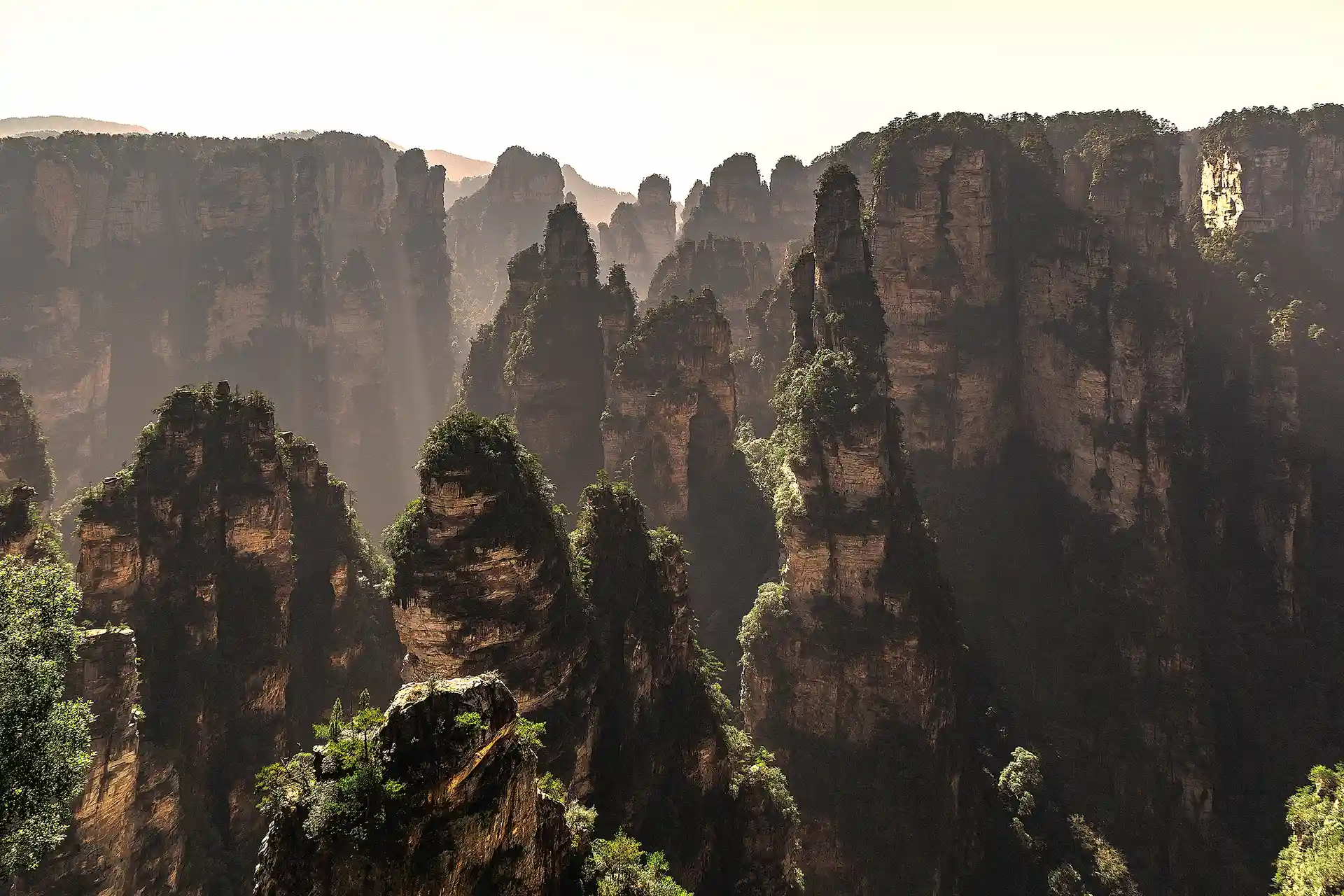
  • Zhangjiajie's sandstone peaks
  • Futuristic Shanghai and Shenzhen

The experience is less compact than Japan or Taiwan, but the range is difficult to match.

Choose Japan for refinement and seasonal travel

Japan suits travelers drawn to carefully preserved neighborhoods, rail travel, temples, gardens, contemporary design, regional food, cherry blossoms, autumn color and winter snow.

Choose Taiwan for a compact food-and-nature trip

Taiwan combines night markets and urban convenience with tea regions, hot springs, coastlines and mountain scenery. It is a strong choice when you want cultural depth without covering huge distances.

Choose Southeast Asia for tropical variety

Southeast Asia is the strongest choice for beaches, diving, warm-weather relaxation and flexible backpacking. It also offers major heritage experiences—such as Angkor, historic Vietnamese cities and Thai temple architecture—so it should not be reduced to beaches alone.

Who should choose which destination?

Choose China if you…

  • Want the Great Wall, Forbidden City, Terracotta Warriors or Zhangjiajie.
  • Prefer one country with major differences in history, cuisine, scenery and city life.
  • Have 8–14 days for a multi-city route.
  • Are willing to prepare payment and connectivity before departure.
  • Want a private guide or driver to make a complex itinerary easier.

Choose Japan if you…

  • Prioritize easy independent transport and predictable service.
  • Enjoy design, neighborhoods, temples, food and seasonal scenery.
  • Prefer detailed planning and a structured travel environment.
  • Can accept a generally higher daily budget.

Choose Taiwan if you…

  • Want a compact 5–9 day trip.
  • Care about night markets, food, tea, temples and mountain scenery.
  • Prefer fewer long-distance transfers.
  • Want an approachable first trip in a Chinese-speaking destination.

Choose Southeast Asia if you…

  • Want beaches, tropical weather or diving.
  • Are optimizing for the lowest possible daily budget.
  • Enjoy hostels, social travel and flexible itineraries.
  • Want to combine multiple countries, accepting extra flights and border planning.

Final decision

There is no universal winner:

  • Best for the easiest independent first trip: Japan
  • Best for a compact food-focused trip: Taiwan
  • Best for beaches and budget flexibility: Southeast Asia
  • Best for monumental history, landscapes and variety: China

If the Great Wall, Xi'an, pandas, Zhangjiajie or China's megacities are already on your personal list, choose China. The extra preparation is manageable, and it should not outweigh the reason you wanted to travel in the first place.

Make a China trip easier with a private plan

China is the destination in this comparison that benefits most from advance coordination. A private trip can combine:

  • A route matched to your available days and arrival city
  • English-speaking guides
  • Private airport and railway-station transfers
  • Attraction reservations and train-planning support
  • Hotel recommendations at your preferred budget
  • Free time without the schedule of a large group

Compare private tours with group travel, browse our China tours, or request a custom China itinerary.

Need a custom trip?

Share your dates, group size and travel style, and we can turn the guide into a workable itinerary.

Talk to a travel advisor ← Back to guides